Sightsavers’ research team was established in 2010 to generate high-quality evidence to inform our programmes and advocacy work in Africa and Asia.
About our research team
We conduct research into eye health, neglected tropical diseases, inclusive education and social inclusion to ensure our programmes are efficient and effective.
Our researchers are experts in a range of quantitative and qualitative methods, including cross-sectional surveys, randomised controlled trials, geospatial and economic analyses, community-based participatory research and evidence syntheses.
We collaborate with a broad range of partners on research studies and publications. Through our work, we’re proud to have built strong relationships with governments, philanthropic foundations, universities and organisations of people with disabilities.
As one of a few international NGOs with Independent Research Organisation status, we’re eligible for grants from UK Research and Innovation.
Sightsavers’ research strategy governs everything we do
Our research approachHow our research changes lives
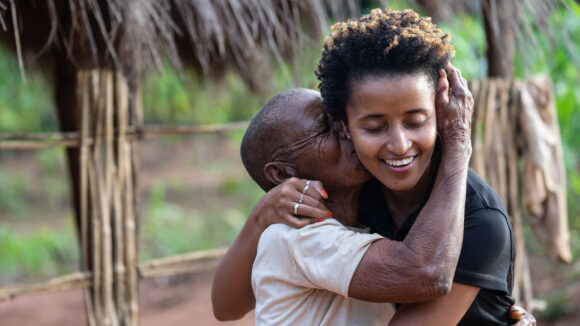
Improving eye health in Mozambique
We conduct rapid assessments of avoidable blindness to help us understand the scale and type of visual impairment. Our data shows that the prevalence of blindness in Nampula province fell by more than a third after Sightsavers helped to establish the eye department at Nampula Central Hospital.
Read the blog on our main website
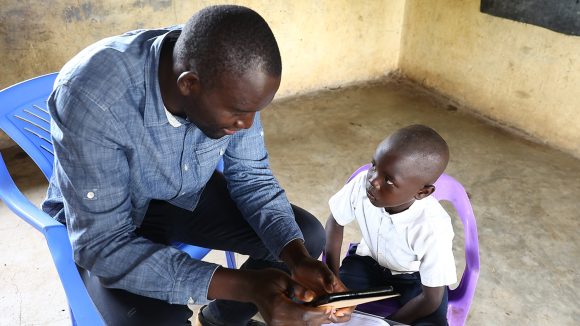
Making education inclusive in Kenya
We’re working with Sightsavers’ inclusive education team and partners to improve inclusive approaches to education. Our research is informing the adaptation of an assessment tool that can be used to measure the early learning and development of children with disabilities.
Read the blog on our main website
Sharing our research and monitoring impact
Our research is published in respected academic journals such as International Health, PLOS and Ophthalmic Epidemiology. We monitor the impact of these peer-reviewed publications through several citation metrics.
According to Altmetric data, our research has contributed to policy and technical documents that include World Health Organization reports and technical guidance, World Bank guidelines, International Labour Organization policy briefs, and USAID tools. Our articles are well-cited: overall, Sightsavers research has been referenced more than 1,000 times in the academic literature.
The visibility and impact of our work is increased by our regular presence at international and national conferences on health, education and inclusion themes.
Interested in working with us? Email us
research@sightsavers.orgSightsavers protects sight and fights for disability rights
Visit our main website
Research centre